
BGTVI
177 Turkish films, 1964 to 2026, chosen for the whole household.


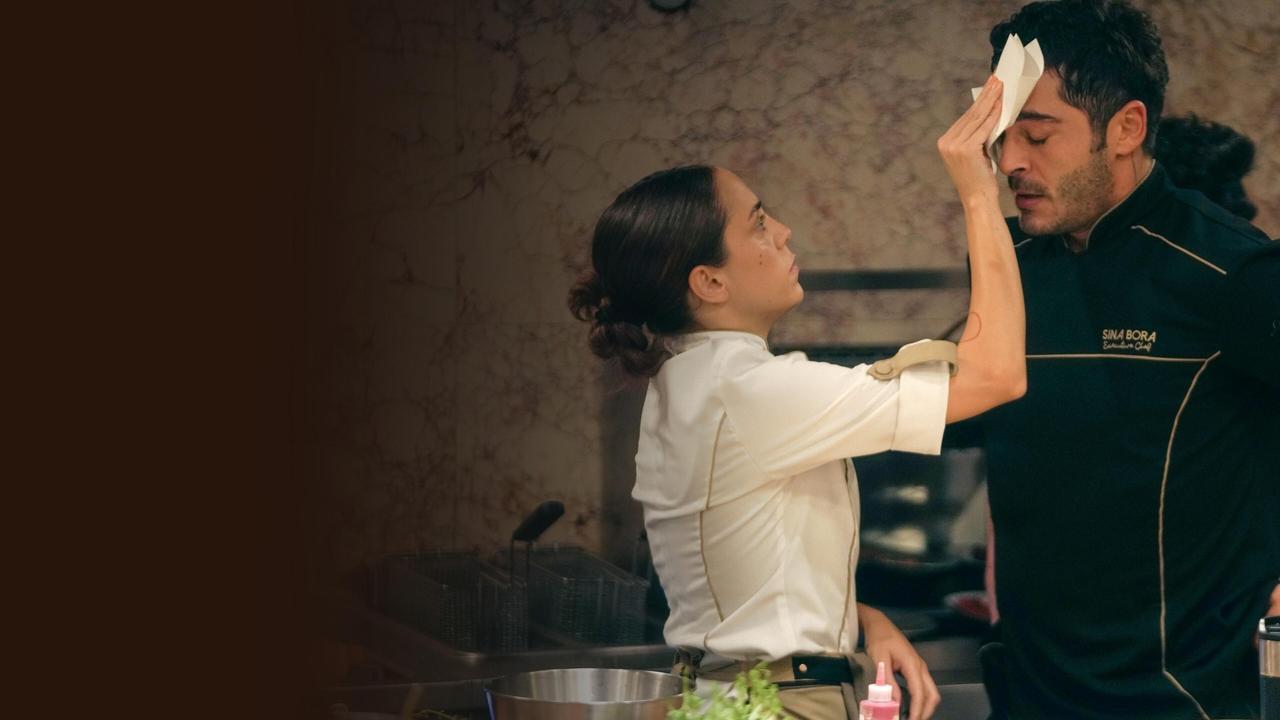






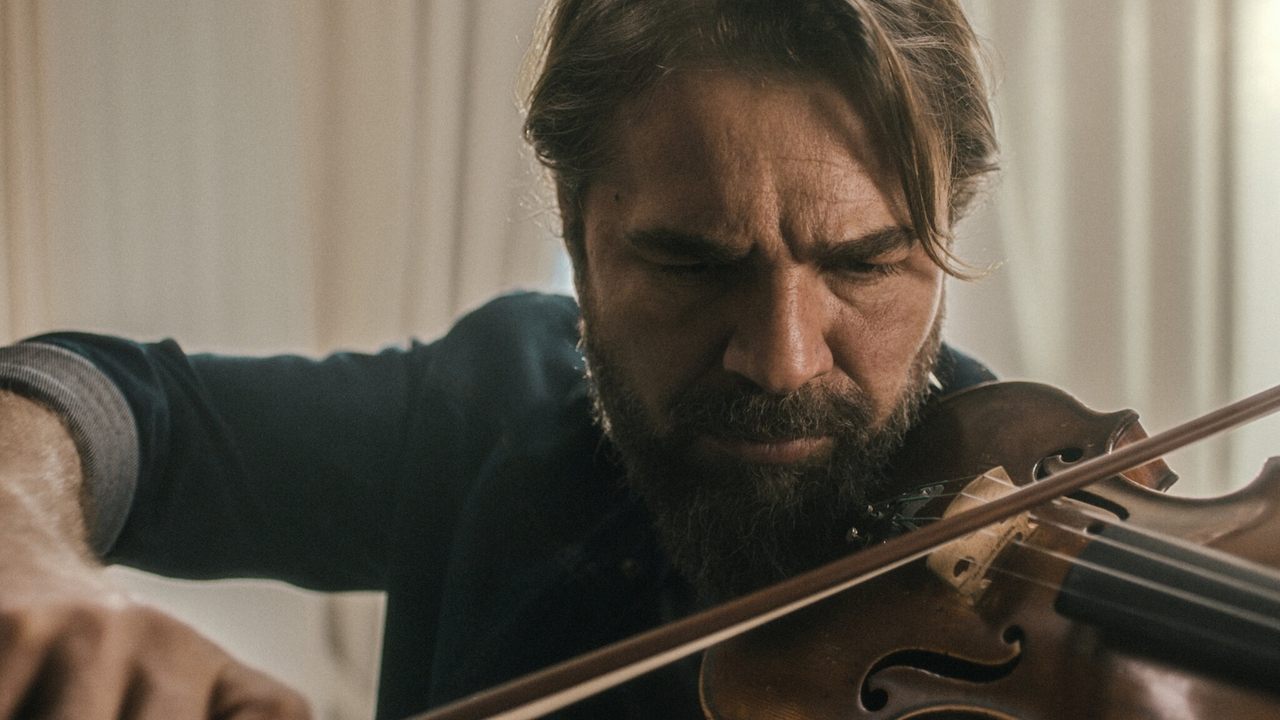

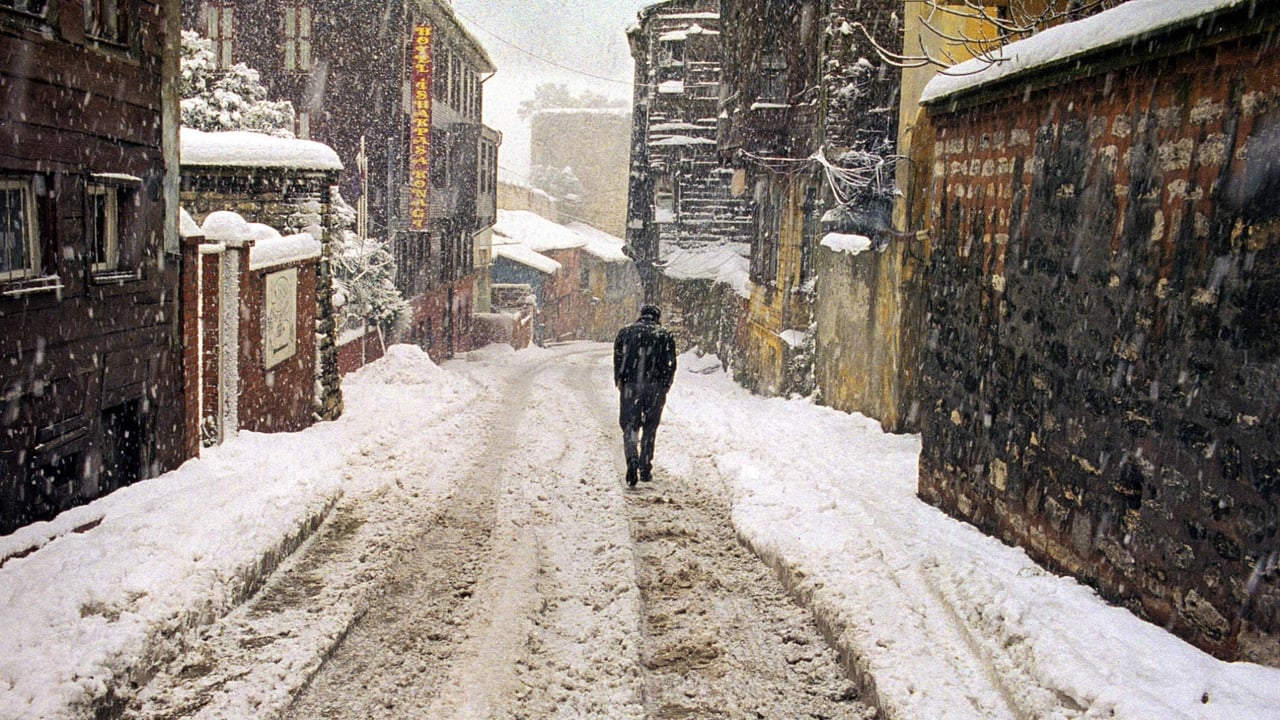
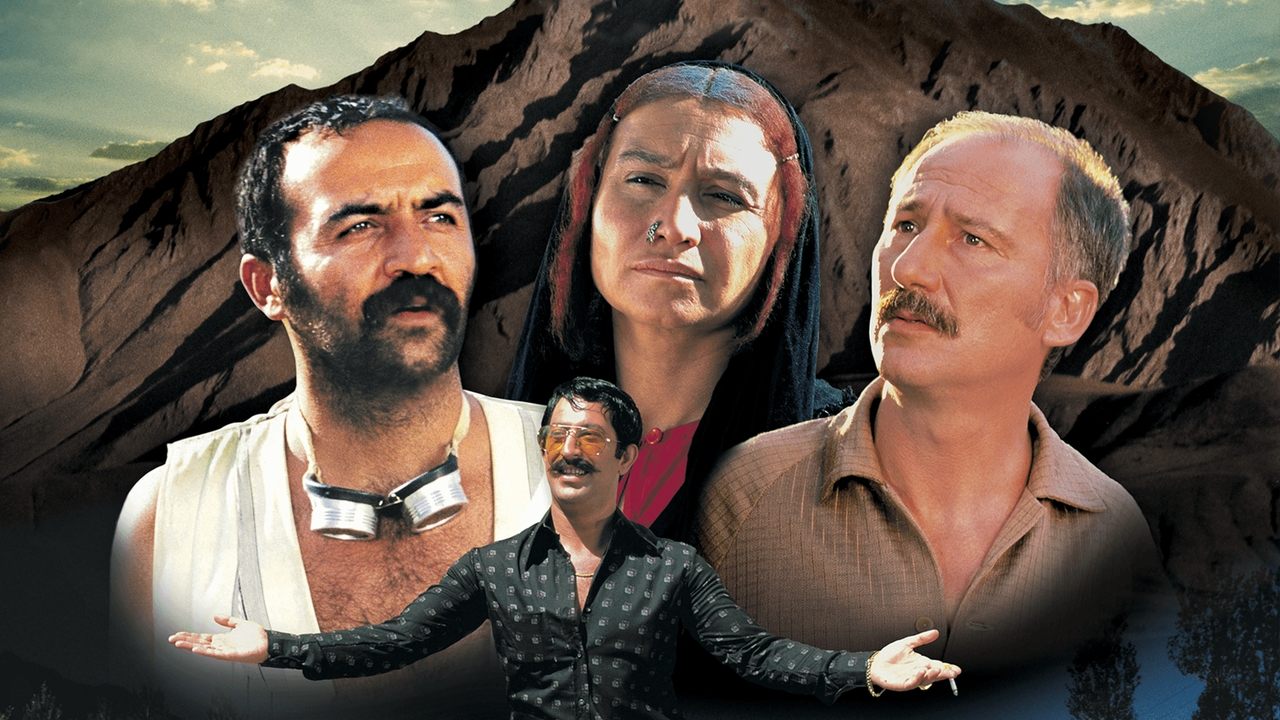
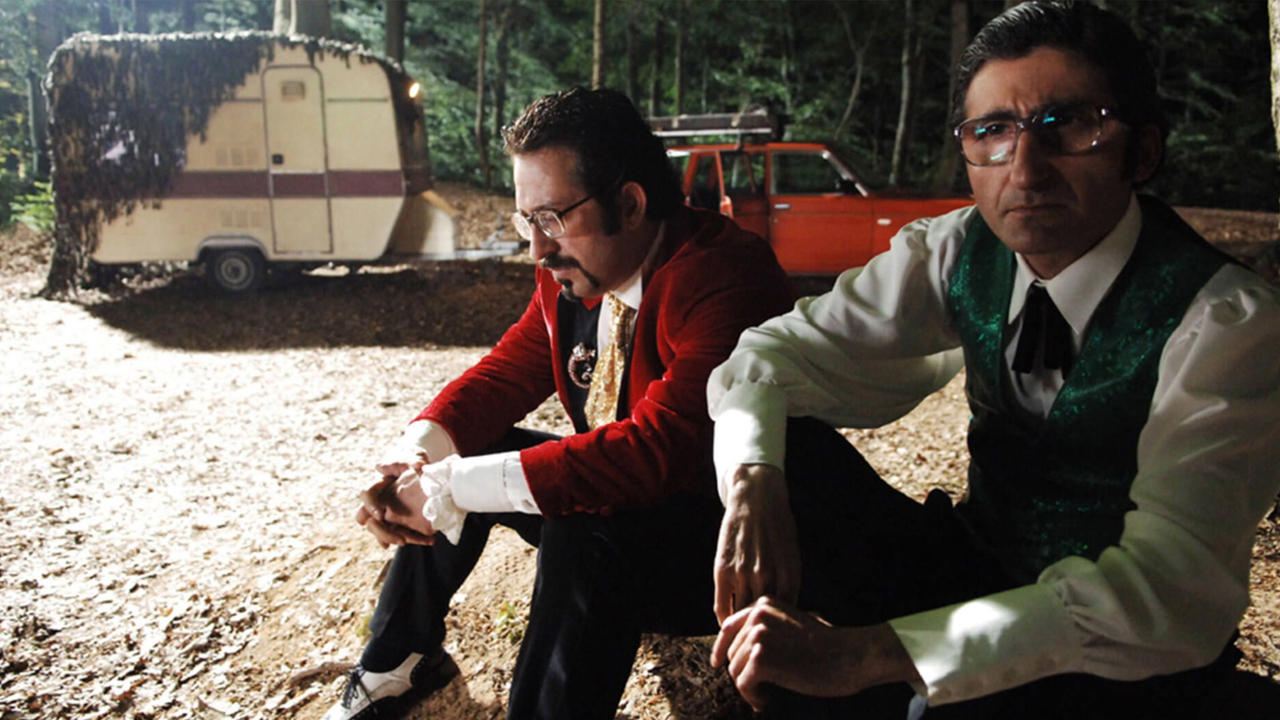

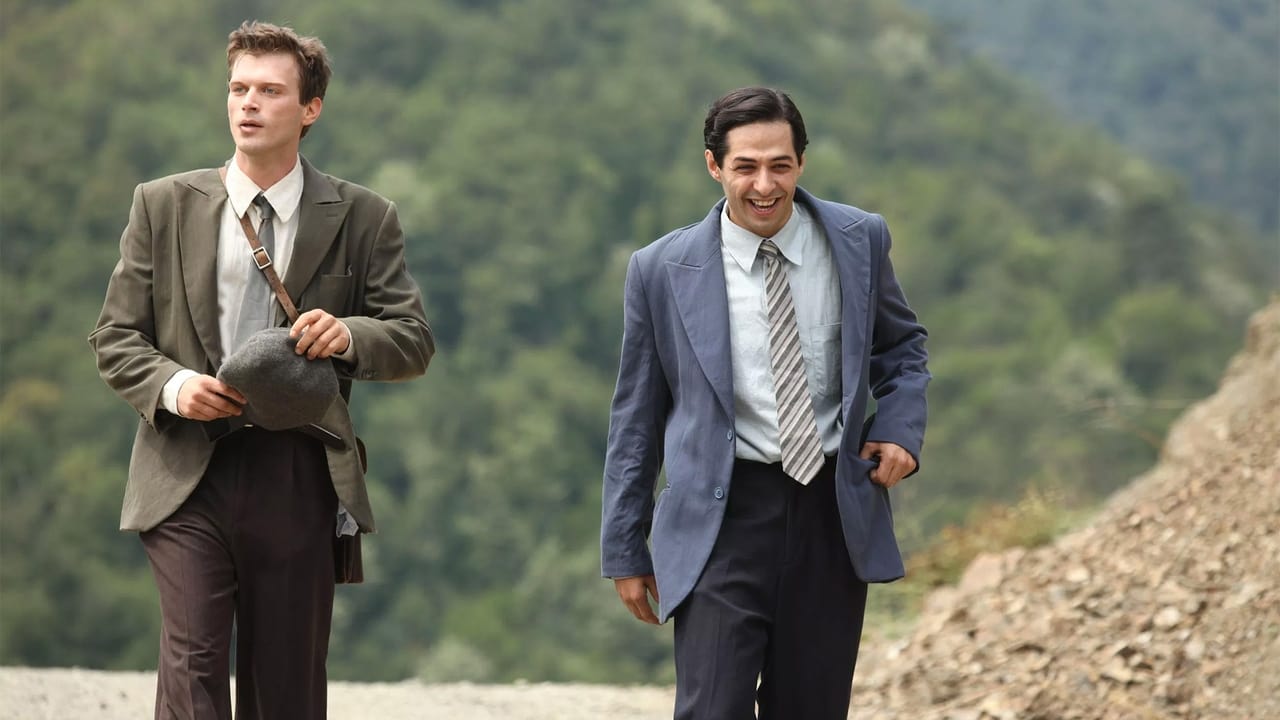
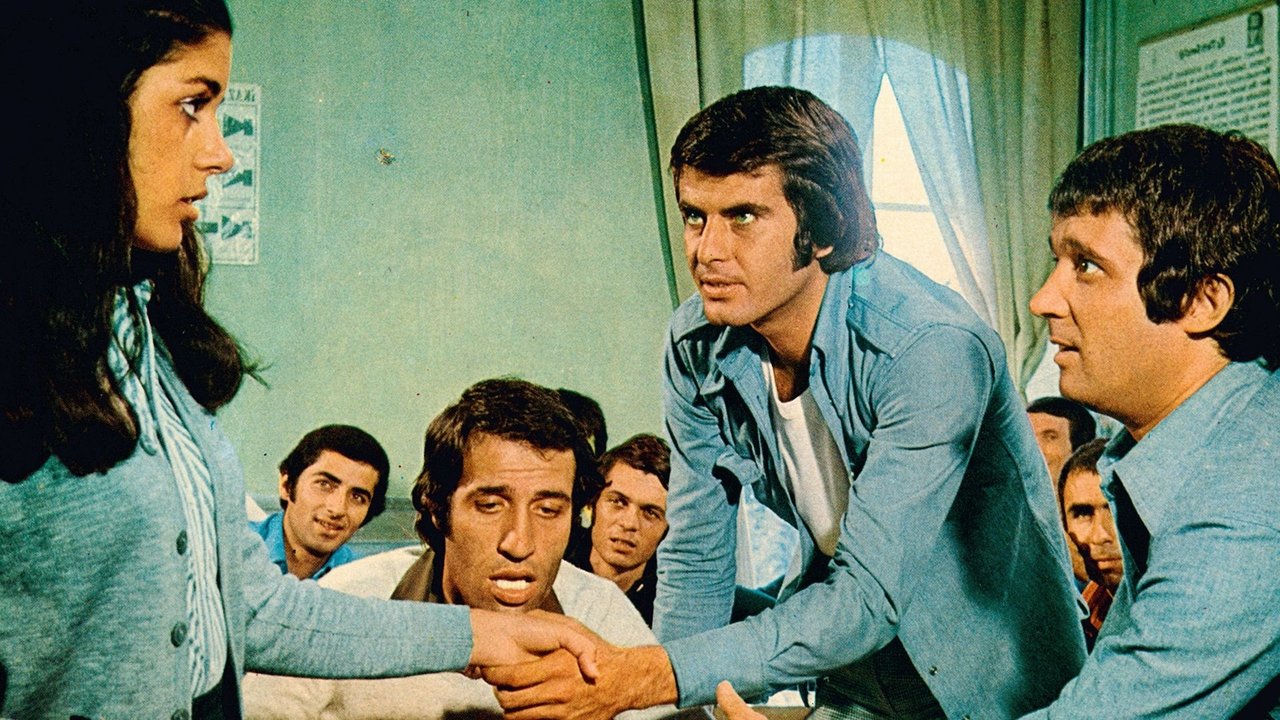

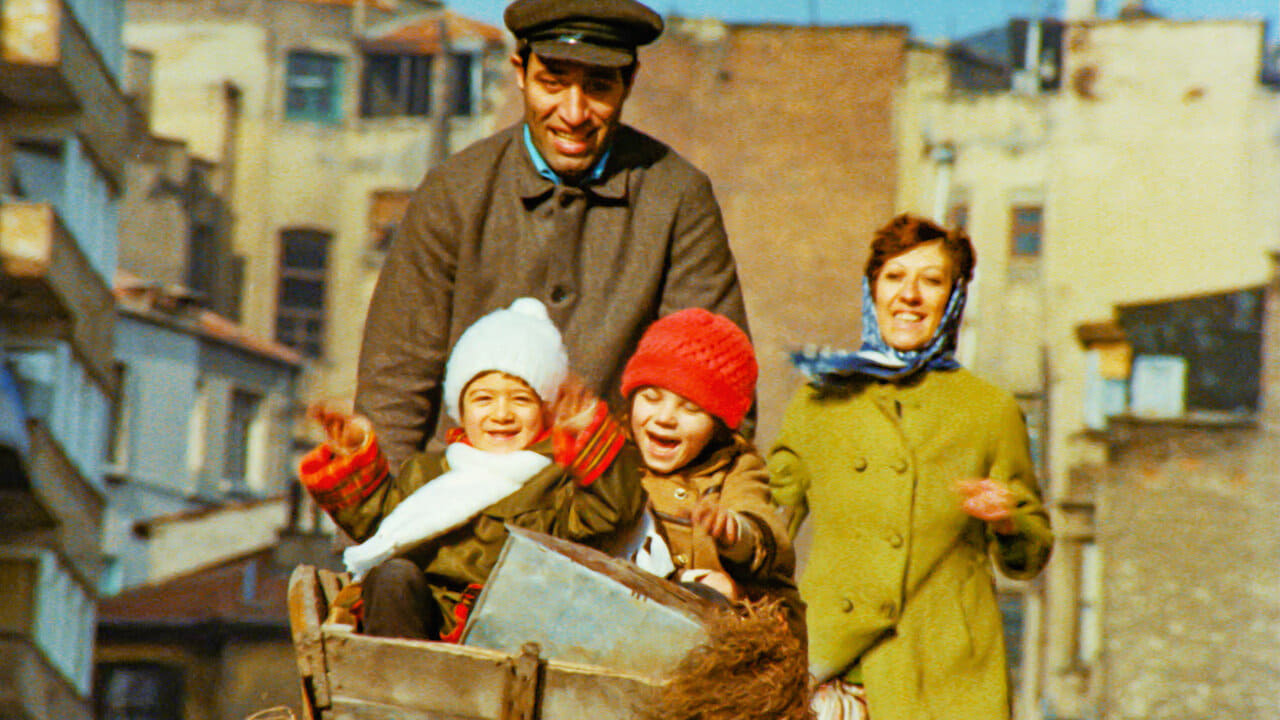




Turkish films for the whole household: the BGTVI guide
BGTVI: Turkish films, from Vizontele, My Father's Violin and The Chaos Class Is Waking Up to Winter Sleep, The Miracle and Feyzo, The Polite One
Turkish cinema has two golden ages. The first ran from the 1960s to the early 1980s, when a few streets around Yeşilçam Street in Istanbul turned out two or three hundred films a year, most of them comedies and melodramas made quickly and loved for decades. The second began around the year 2000, when a new generation of comedians and directors brought audiences back to the cinemas in millions, and it continues today on the streaming services. BGTVI is a guide to 177 films from both, made between 1964 and 2026. Each has its own page, its story, its director and cast, and a Watch now button that leads to the official services carrying it in your country.
The catalogue has been chosen for the whole household. Every film was read through by hand, and the selection favours comedies, village stories, romances, family dramas and the gentler classics. Crime and action films, films of the battlefield, horror and titles made strictly for adults were left out. What remains is a cinema of great warmth: the simple man from the country who outwits the city, the classroom of overgrown schoolboys, the first television set to reach a mountain town, the clarinet player who crosses Thrace for love.
The numbers give a first idea of the shape. One hundred and thirty-seven of the films are comedies, eighty-two are dramas and fifty-four are romances; eighty turn on a family, forty-four are set in a village or a small town, and twenty-seven are built around music. Sixty-one are classics made before 1995, thirty-five of them with the comedian Kemal Sunal, and thirty have appeared since 2020. Twenty-six carry a score of 7.3 or higher from the viewers of TMDB.
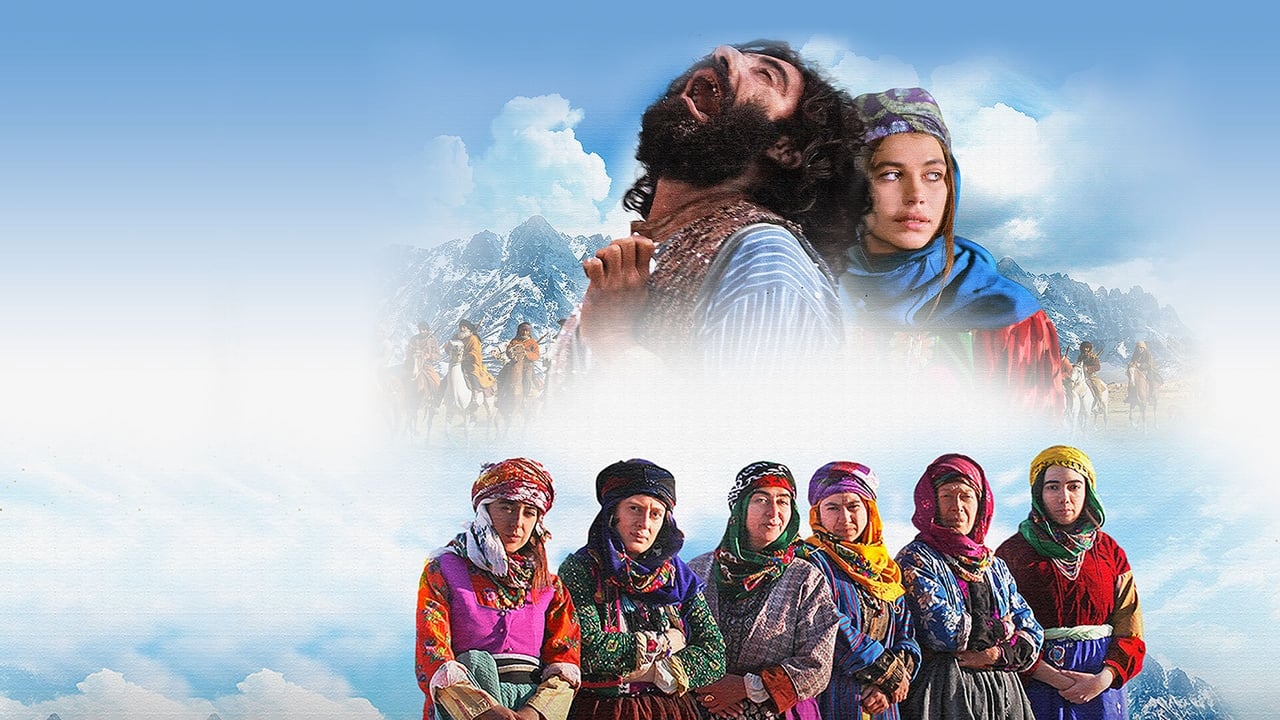
A first-time visitor can begin with any of six films. Vizontele tells how television came to a remote town in the 1970s. My Father's Violin brings an orphaned girl and her uncle together through music. The Chaos Class Is Waking Up is one of the famous school comedies of the 1970s. Winter Sleep is the film that won the highest prize at Cannes. The Miracle sends a teacher to a mountain village in the 1960s, and Feyzo, The Polite One is Kemal Sunal at his best, as a villager who has to earn the price of a wedding.
How the collection is arranged
BGTVI keeps a black header with its white and blue logo on the left, a bold white menu beside it and a search box edged in blue on the right. The page beneath is pale grey, and the content sits on white panels. Each panel on the home page has a title, a few words of description and a small More link, and under them one or two rows of wide film stills, four across, each with a small play mark in the lower corner, the title in bold and a grey line giving the year and the score. The panels are Latest films, Most watched, Kemal Sunal, Romance, and Village and town. A column on the right holds the lists and, below them, an index of every film that scrolls inside its own box.
The lists are the main way through the catalogue. Comedy, Romance, Drama and Family sort the films by kind. Village and town and Istanbul sort them by place, and Music gathers the singers and players. Two lists follow actors, Kemal Sunal and Şener Şen. Classics holds everything made before 1995, four further lists divide the later films by year, and Top rated has the twenty-six with the strongest scores.
Every film page follows one pattern. The poster stands beside the title, the Turkish title, the year, the running time and the score; the story follows in a paragraph; the director and the leading cast are named; and the Watch now button sits under a country selector. Choose your country once and the site remembers it. Press the button and JustWatch opens with the subscription, rental, purchase and free services that carry the film where you live.
Kemal Sunal
There is a face that every Turkish family knows: long, mild and slightly astonished, with a wide smile that arrives a moment late. It belongs to Kemal Sunal, who was born in Istanbul in 1944, began in the theatre, and between 1972 and his death in 2000 made more than eighty films. They are shown on television in Turkey almost every day, and three generations can recite their best lines. Thirty-five of them are on BGTVI, which makes Kemal Sunal the largest single list in the catalogue.
The character he played, under many names, was a poor and innocent man, often from the country, who is pushed about by landlords, foremen, officials and rivals in love, and who wins in the end through stubborn decency and a streak of cunning that surprises everybody, himself included. The name most often given to him was Şaban, and several films carry it in their titles. But the best of his work goes deeper than a comic type. In Feyzo, The Polite One (1978), directed by Atıf Yılmaz, he is a villager who must raise a large sum to marry the girl he loves and goes to the city to earn it, returning with ideas about the rights of working people that alarm the landowner, played by Şener Şen. It is very funny and has real bite.
The director Zeki Ökten made two of the finest. The King of the Street Cleaners (1977) casts Sunal as a municipal sweeper in love with a domestic servant, with his own supervisor as the rival. King of the Doormen (1977) gives him the caretaker of an Istanbul block of flats, who knows the secrets of every tenant and little by little becomes the most powerful man in the building. Both are affectionate portraits of working Istanbul, filmed in real streets and stairwells. King of The Guards (1979) completes the set with a night watchman who is believed, by a misunderstanding, to have an uncle in a ministry.
The early films show him as part of a team. From the Village to the City (1974) is about four brothers from the country who find a buried hoard and set off for Istanbul to turn it into money; Sunal plays one of them beside Zeki Alasya, Metin Akpınar and Halit Akçatepe. Salako (1974) and Hanzo (1975) are village farces, and Nosey Zühtü (1976) is about a seller of meatballs who is forever looking into other people's troubles. My Dear Brother (1973), in which he has a supporting part, is one of the most loved Turkish films of all: two poor friends try to find a television set for a sick boy who has always wanted to see one, and the ending has made the whole country cry.
Through the 1980s he made three or four films a year, most of them directed by Kartal Tibet. In Doktor Civanım (1983) a hospital porter lets his village believe he is a doctor. In Henpecked (1983) a meek husband has a double. Atla Gel Şaban (1984) follows a factory worker who wins a fortune, Şendul Şaban (1985) and Expat Şaban (1985) follow the character to work at home and in Germany, and En Büyük Şaban (1983) has him trying to pay for an operation for a blind girl. The Plaintiff (1987) is a satire on a lawsuit between two stubborn neighbours that outlasts everyone involved, and Japanese Connection (1987) gives him a robot, sent by a grateful Japanese visitor, that looks exactly like the singer he adores.
The later films are gentler and sometimes sad. Yoksul (1986) is about a tea boy in a commercial building, Poor (1986) about a man who finds an abandoned baby, Kiracı (1987) about a family told to leave their rented flat, and The Teacher (1988) about a schoolmaster who struggles to live on his salary in the big city. Polizei (1988), filmed in Berlin, casts him as a street cleaner who dreams of being a policeman, and Queer World (1988), again with Zeki Ökten, as a clarinet player in a poor district of Ankara. The Laughing Man (1989) is about a man who laughs when he is nervous, which is most of the time. Others on the list are Nightingale (1979), The Top Scorer (1980), Windfall (1980), 100 Numaralı Adam (1978), The Man Who Strikes Gold (1978), Apdi The Gullıble (1978), The Handsome (1987), Stubborn (1988) and Talih Kuşu (1989).
The Chaos Class
Kemal Sunal first became famous as one of a crowd. In 1975 the producer and director Ertem Eğilmez filmed a comic novel by Rıfat Ilgaz about the oldest, laziest and most inventive class in a private boarding school in Istanbul, boys who have failed their examinations so often that some of them have moustaches. The class was played by the young comedians of his company, with Sunal as the slow-witted Şaban, and their opponent, the deputy headmaster known as Mahmut Hoca, by the great Münir Özkul. The school cook, Hafize Ana, who mothers them all, was played by Adile Naşit. The film was a sensation and was followed by several more.
BGTVI has three of the original series. The Chaos Class Failed the Class (1976) brings a young woman teacher to the school and shows the boys, for once, trying to behave. The Chaos Class Is Waking Up (1976), often thought the best, introduces a hard-working new pupil whom the class at first torments and then adopts, and ends with an illness that brings the whole school to one bedside. The Chaos Class: Bye Bye (1981) was the last that Eğilmez made. The pranks are inventive, but what has kept the films alive for half a century is their tenderness: the teachers and the boys are fond of each other, and both know it.
Şener Şen and the comedy of the 1980s
If Kemal Sunal was the innocent of Turkish comedy, Şener Şen was its schemer. The son of an actor, he spent years playing landlords, foremen and petty tyrants opposite Sunal before becoming a leading man in his forties, and his gallery of pompous, wheedling, unexpectedly touching characters is one of the glories of the national cinema. Thirteen of his films are on BGTVI.
Abbas in Flower (1982), the first film directed by Sinan Çetin, is set among the drivers of the shared minibuses of Istanbul. Abbas, played by İlyas Salman, is a conductor who saves to buy a vehicle of his own and decorates it with flowers; Şen is the driver who is his boss and his rival for the same girl. The Baggy Trousers Case (1983) is a village comedy in the oldest tradition: the women of a village, tired of doing all the work, go on strike until the men mend their ways, led by Müjde Ar. I Feel in Love (1985) follows a man smitten by a woman in a red dress, and Selamsız's Band (1987) concerns a small town that learns the president will pass through and hastily forms a brass band to greet him.
The Windmill (1986), directed by Atıf Yılmaz, is set in a small Anatolian town in the last years of the Ottoman Empire, where the officials report an imaginary earthquake and then have to deal with the help that arrives. Arabesque (1989), the last film of Ertem Eğilmez, is a parody of every tearful melodrama Turkish cinema had ever made, with Şen and Müjde Ar as lovers parted by one absurd misfortune after another; audiences who knew the originals laughed until they wept. Mill Horse (1982) stars İlyas Salman as an honest clerk transferred to Istanbul, with Şen in support, and Sultan (1978) pairs him with Türkan Şoray in a comedy of a poor district.
Two films written and directed by Yavuz Turgul show a deeper side. The Unforgettable Director of Love Movies (1990) is about an ageing director of romances who decides, late in his career, to make a serious film, and finds that the industry and the audience have changed around him. The Shadow Play (1992) follows two comedians who work in a night spot and take in a young woman who is silent. Both are funny and melancholy in equal measure, and both are among the best Turkish films of their time.
Other classics of Yeşilçam
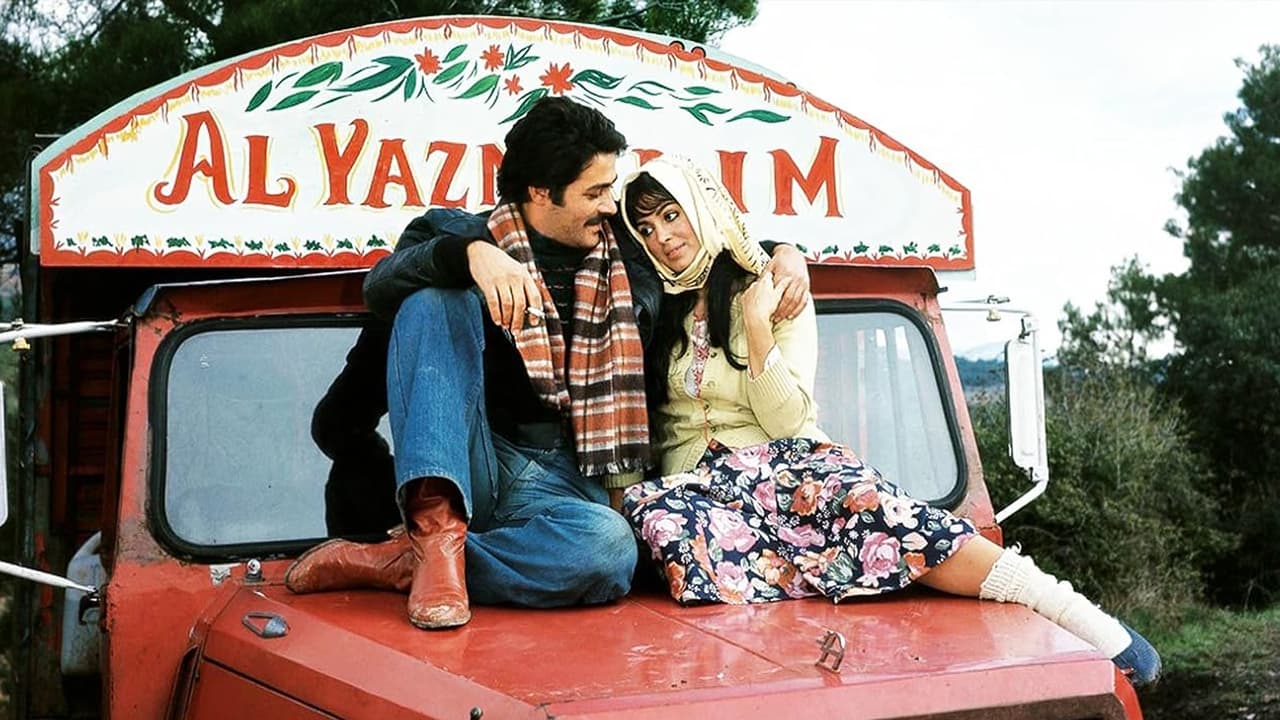
The old studio system produced far more than comedy. The Girl with the Red Scarf (1977), directed by Atıf Yılmaz from a story by the Kyrgyz writer Chinghiz Aitmatov, is regularly voted the best Turkish film ever made. Asya, played by Türkan Şoray, falls in love with İlyas, a lorry driver played by Kadir İnanır, and marries him against her family's wishes; when he leaves, an older man offers her and her small son a home. Years later İlyas returns, and she has to decide what love is: the passion she remembers, or the care she has been given. The last scene, and the music of Cahit Berkay, are part of the country's memory.
Time to Love (1965), directed by Metin Erksan, is a strange and beautiful film about a house painter on one of the islands near Istanbul who falls in love with the portrait of a woman and is dismayed when the woman herself appears. Family Honour (1976) stars Münir Özkul and Adile Naşit as the parents of a large and happy family in a modest district, and is a favourite for watching together. Sev Kardeşim (1972) is a romance between a factory owner's son and a worker, a staple of the family cinemas of the time.
The comic partnership of Zeki Alasya and Metin Akpınar, who began in cabaret, fills several films: Where Are These Guys Looking At? (1976), Petrol Kings (1978) and My Brother-in-Law (1977), in which Alasya plays a minibus driver new to the neighbourhood. Oh Where (1975) and Firefly (1975) star the leading man of the period, Tarık Akan, and Dad, Make Me Marry (1975) gives a rare film role to the rock musician Barış Manço. Omer The Tourist (1964) introduced one of the most popular comic characters of the 1960s, a cheerful idler in a battered hat played by Sadri Alışık, who also stars in Ali Baba and the Forty Thieves (1972). The Bald Boy (1971) is a fairy tale for children about Keloğlan, the clever country lad of Turkish folklore.
A few films from the end of the period look ahead. The Yellow Mercedes (1993), from a novel by Adalet Ağaoğlu, follows a worker driving home from Germany in the car he has saved for years to buy, on a journey that goes wrong at every turn. Oh, Moon! (1988) is the dreamlike story of a girl of eleven living with her aunts in an old house on an island.
The revival: Vizontele and after
By the 1990s Turkish cinemas were showing mostly foreign films, and home production had fallen to a handful of titles a year. The recovery was led by comedians from television and the theatre. Vizontele (2001), written and co-directed by Yılmaz Erdoğan from memories of his own childhood, is set in 1974 in the mountain town of Hakkâri, in the far south-east. The government sends the town its first television transmitter and nobody to install it, so the mayor turns to the local eccentric, an electrician known as Crazy Emin, played by Cem Yılmaz. The owner of the open-air cinema does what he can to stop them. The film is a comedy for its first hour and something more by the end, and it drew more than three million people to the cinema.
Erdoğan has continued in the same vein of comedy with a heart. Jolly Life (2009) casts him as a man down on his luck who takes work as a department-store Father Christmas. The Butterfly's Dream (2013) is his most ambitious film: the true story of two young poets in the mining town of Zonguldak in 1941, both ill with tuberculosis and both in love with the same girl, played by Kıvanç Tatlıtuğ, Mert Fırat and Belçim Bilgin. Sour Apples (2016) returns to Hakkâri for the story of a mayor with a famous orchard and three daughters who all intend to choose their own husbands. Have You Ever Seen Fireflies? (2021), from one of his plays, follows a brilliant and outspoken girl through sixty years of Turkish life.
Cem Yılmaz, the country's leading stand-up comedian, is the other great figure of the revival. The Magician (2006), which he wrote and co-directed, sends a conjuror of modest talent on a provincial tour with his short-sighted assistant and his disapproving father, and turns into a touching road film. Ali Baba and the 7 Dwarfs (2015) is a broad comedy about two sellers of garden ornaments at a trade fair abroad, and Comidark Films 2: The Pawn (2020) is one of a set of his shorter stories. He also gives a fine straight performance in Iftar Soda (2016), set in an Aegean village in the 1970s, as the soda seller who takes on a schoolboy as apprentice for the summer.
The comedies of today
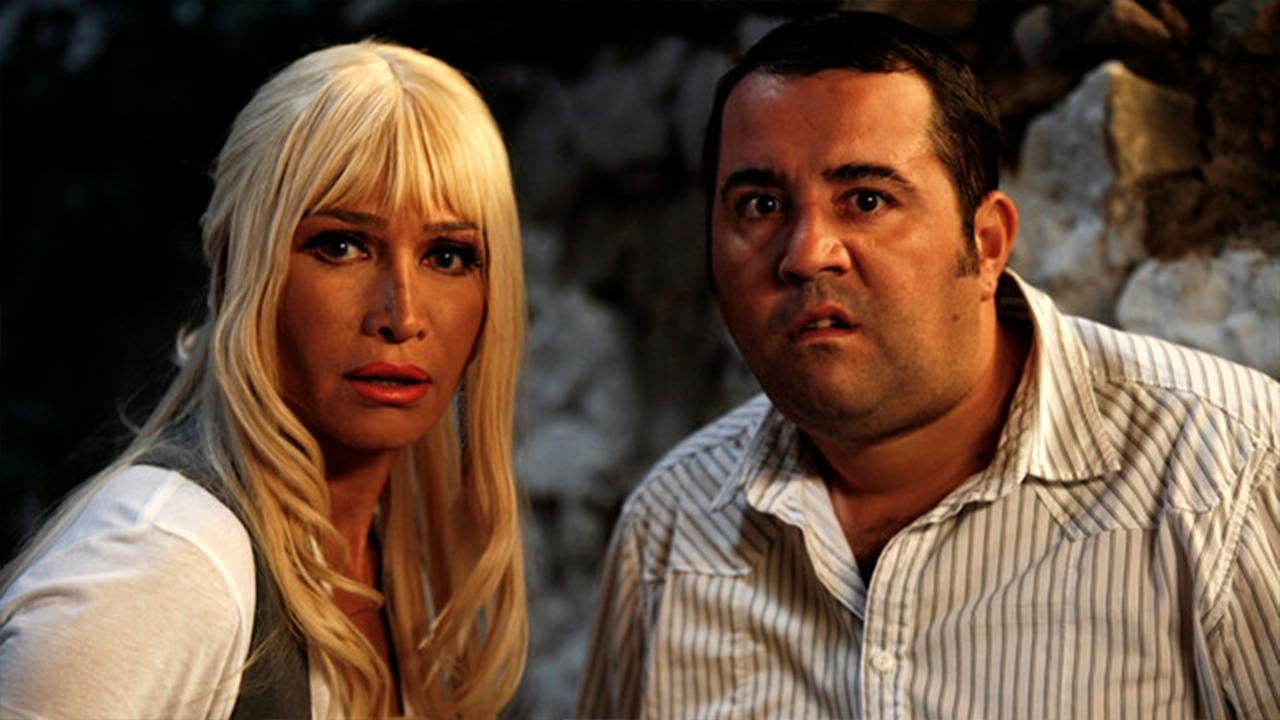
The most reliable comic team of recent years is Ata Demirer and Demet Akbağ. In Oh Dear (2010), directed by Hakan Algül, Demirer is Hüseyin, a clarinet player from a village in Thrace who sets out for Istanbul to look for his father and falls in with Firuzan, a singer of large voice and larger personality. Oh Dear 2 (2011) and Oh Dear 3 (2014) follow him through courtship and marriage. The films are full of the music and speech of Thrace, and they are among the best-natured comedies of their time. Demirer also stars in Berlin Kaplanı (2012), as a boxer from Berlin, in Niyazi Gül Dörtnala (2015), as a veterinary professor, in Locked on You (2018), Bygones Be Bygones (2017) and The Nightingale of Bursa (2023), in which he plays a singer in a tea garden in the 1990s.
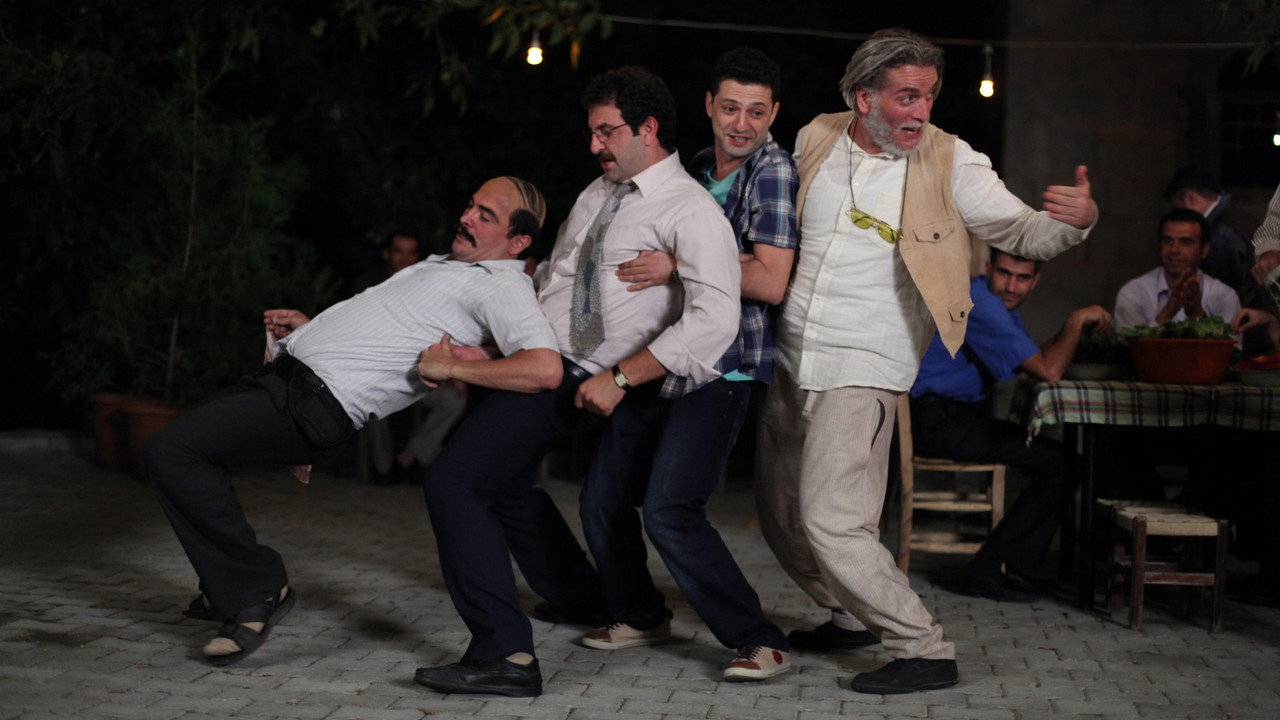
Wedding Association (2013) was the surprise of its year. A young man comes home to his village in central Anatolia with news that he is engaged to a woman from Latvia, and his father, with the help of three friends and a nearly empty bank account, promises a wedding to remember. Ahmet Kural and Murat Cemcir lead the cast, as they do in Çalgı Çengi (2011), about two cousins who play at weddings, and in What a Crush (2018). Ay Lav Yu (2010) and Government Woman (2013), both by Sermiyan Midyat, are set in the south-east: the first in a village too small to appear on any map, the second in the town of Midyat in 1956, where the mayor's wife, a mother of eight, finds herself in charge.
Gupse Özay writes and stars in Deliha (2014) and Deliha 2 (2018), about a warm-hearted and accident-prone young woman from a small neighbourhood, and in Sister In Law (2016). Husband Factor (2015) and its sequel follow a woman of thirty whose relatives have decided to find her a husband. Mandıra Filozofu (2014) is a comedy of ideas about a man who lives in a hut by an Aegean bay and wants for very little, and the businessman who comes to buy his land. My Travel Buddy (2017) and My Travel Buddy 2 (2018) are road comedies set during the holidays, and Vendors' Meeting (2020) lets three shopkeepers from Anatolia loose at a sales conference in Istanbul.
Tolga Çevik stars in Boss Wants a Happy Ending (2014), as a screenwriter sent to Cappadocia to finish a romance, and in You're Everything To Me (2016), in which a carefree bachelor is handed a baby. In the Family (2017), written by Gülse Birsel, is one of the most successful comedies of the decade: a man and a woman who have both just been left by their partners pretend to be a respectable married couple so that her daughter can marry into a very formal family. Stuck Apart (2021) and The Voice Inside (2015) both star Engin Günaydın as a man who is the last to understand his own life.
Village and town
Forty-four films are set far from the big cities, and they include some of the most admired in the catalogue. The Miracle (2015), written and directed by Mahsun Kırmızıgül, begins in 1960 with a teacher posted to a village so remote that he has to walk the last day of the journey. There is a school to build and a village to win over, and there is Aziz, a young man with a disability whom the villagers love and tease in equal measure. The film was seen by millions and was followed by Miracles Of Love (2019), which continues the story of Aziz and his marriage. The same director made White Angel (2007), about two brothers who find their father in a home for the elderly.
Sibel (2019) is set in the mountains above the Black Sea, in a village where people still call to each other across the valleys in a whistled language. Sibel, who has been unable to speak since childhood, communicates only by whistling and is kept at a distance by the other women; she spends her days in the forest hunting a wolf that may be only a legend. Damla Sönmez learned the whistled language for the part, and the film won prizes at Locarno. Cold of Kalandar (2016), filmed over several seasons in the same mountains, follows a poor farmer who pins his hopes on training a bull for a festival.
Butterflies (2018), which won the grand jury prize for world cinema at Sundance, brings two brothers and a sister who have hardly spoken for years back to the village of their father, where they find that he has left them a puzzle. Lemonade (2015) puts two half-brothers who have only just met, one from Macedonia and one from Istanbul, in a car together. Boats Out of Watermelon Rinds (2004), made by the self-taught director Ahmet Uluçay in his own village, is about two boys in the 1960s who are so in love with cinema that they try to build a projector from scraps. My Grandfather's People (2011), by Çağan Irmak, is set in an Aegean town in 1980 and tells of a boy and his grandfather, who came from Crete as a child in the great exchange of populations.
Nuri Bilge Ceylan, the most honoured Turkish director of his generation, is represented by three films. Clouds of May (1999) follows a film-maker who returns to his parents' small town to shoot a film and casts them in it. Distant (2002) is about a photographer in Istanbul and the cousin from the country who comes to stay; it won the Grand Prix at Cannes. Winter Sleep (2014), set in a small hotel among the rock dwellings of Cappadocia as the snow closes in, is a three-hour study of a retired actor, his young wife and his sister, played by Haluk Bilginer, Melisa Sözen and Demet Akbağ; it won the Palme d'Or. These are slow, searching films for adult viewers, and they repay patience.
Other films of the provinces include Yozgat Blues (2013), about a music teacher and a singer who take a job in a small Anatolian city, Thou Gild'st the Even (2013), a black-and-white fable of a town whose inhabitants have curious gifts, Ice Cream, I Scream (2006), about an ice-cream maker at odds with the big brands, Yaşamak Güzel Şey (2017), Kaçma Birader (2016) and Happy Family Journal (2013).
Romance
Fifty-four films are love stories. The streaming services have made the Turkish romantic comedy a worldwide form, and Love Tactics (2022) is its best-known example: an advertising executive and a fashion designer, each sure that love is a game, make a private bet to win the other's heart, in the landscapes of Cappadocia. Demet Özdemir and Şükrü Özyıldız return in Love Tactics 2 (2023). Private Lesson (2022) concerns a tutor who secretly coaches her pupils in confidence as well as mathematics, You Do You (2023) a free spirit who has to take an office job, and In Your Dreams (2023) a romance that begins with a glance in the street.
Blue Cave (2024) stars Kerem Bürsin as a man who travels to the place his wife loved most, and Chasing the Wind (2025) and Two Worlds One Wish (2025) both star Hande Erçel. One-Way to Tomorrow (2020) takes place almost entirely on a train from Ankara to İzmir, where two strangers find that their seats, and their reasons for travelling, are closer than they thought. Oh Belinda (2023) is a comic fantasy in which an actress finds herself living the life of the housewife she plays in a commercial; it remakes a well-known film of the 1980s. UFO (2022), Doom of Love (2022), Love in 39 Degrees (2024), Too Much Love (2023) and Summer House (2026) are further recent additions.
From the cinema come Only You (2014), the love story of a former boxer and a woman who has lost her sight, Love Like You (2015), set in a town on the Aegean, What's Left of You (2015), Hot Sweet Sour (2017), which follows a couple through twenty years, and Time of Happiness (2017). A Romantic Comedy (2010) and A Romantic Comedy 2 (2013) follow three friends through weddings and second thoughts, and Love in Another Language (2009) is the story of a librarian who has been deaf from birth and a young woman who works in a call centre.
Family films
Eighty films turn on a family, and several are made to be watched by one. My Father's Violin (2022) is the most popular. Özlem is eight and lives with her father, a street musician in Istanbul; when he falls ill he takes her to the brother he last saw thirty years ago, a celebrated concert violinist. The uncle, proud and solitary, has little idea what to do with a child, and the film follows the two as music slowly brings them together. Engin Altan Düzyatan and the young Gülizar Nisa Uray play the pair, and the score makes full use of the violin.
In Good Hands (2022) is about a mother who learns that she is seriously ill and sets out to find someone who will love her six-year-old son as she does; Aslı Enver and Kaan Urgancıoğlu lead the cast, and In Good Hands 2 (2024) continues the story of the boy and the man who becomes his father. My Mother (2019) is a tribute to a woman who raises a daughter with a disability and refuses every limit set for her. My World (2013) stars Beren Saat as a girl who lost her sight and hearing in infancy and Uğur Yücel as the teacher who reaches her. Commissioner Shakespeare (2001) is about a police officer who stages a school play for his daughter, with some unusual actors.
Comedies of family life are plentiful. A Unique Life (2015) follows a widow who goes back to university in her fifties. My Step Dad: The Hippie (2018) introduces three grown children to the man their mother wishes to marry. The Way We Are (2020) gathers old friends around a much-loved aunt, New Year's Eve (2022) fills one flat with relatives, and Brother in Love 2 (2021) sets a wedding at risk. When Luck Breaks the Door (2005) stars the playwright Ferhan Şensoy as a minibus driver who enters a television quiz. Pandora's Box (2008), by Yeşim Ustaoğlu, is a serious and beautiful film about three grown children in Istanbul who bring their elderly mother down from her mountain village when her memory begins to fail; it won the main prize at San Sebastián.
For younger viewers there are The Bald Boy, Ali Baba and the Forty Thieves, Enes Batur: Imagination or Reality? (2018), starring a popular maker of internet videos, 4N1K (2017), about four girls who have been friends since childhood and the boy who joins their class, and The Class (2007), in which pupils try to save their unusual school.
Music on screen
Twenty-seven films are built around music, which is everywhere in Turkish cinema. Where's Firuze? (2004) is a comedy of the recording business in the quarter of Istanbul where the music shops stand: two producers deep in debt pin their hopes on a singer newly arrived from Germany, played by Özcan Deniz, with Haluk Bilginer and Demet Akbağ. Whisper If I Forget (2014), by Çağan Irmak, follows a singer of the 1970s who returns in old age to the town she left to become famous. The Festival of Troubadours (2022) is a road film through the east of the country with a father who is a travelling folk poet, one of the aşık who sing to the long-necked lute, and the son he last saw twenty-five years ago; Kıvanç Tatlıtuğ and Settar Tanrıöğen play them.
Heartsong (2022) is a romance among the travelling musicians who play at village weddings, and 7 Husbands for Hurmuz (2009) is a musical comedy of old Istanbul about a young widow with a talent for collecting fiancés. The clarinet of Oh Dear, the tea-garden songs of The Nightingale of Bursa and the wedding band of Çalgı Çengi belong here too, as does Arabesque, which is as much a film about a kind of music as about a pair of lovers.
True stories
A small group of films tell the lives of real people. Pocket Hercules: Naim Suleymanoglu (2019) is the story of the weightlifter, born to a Turkish family in Bulgaria, who stood less than five feet tall, lifted three times his own weight and won three Olympic gold medals for Turkey; the film follows him from a mining town to his defection in 1986 and the Games in Seoul. The Butterfly's Dream and My Grandfather's People are drawn from life, as is The Miracle, which its director based on a story from his own region.
Istanbul on film
Twenty-four films are stories of Istanbul, and between them they show the city changing over sixty years. In the classics it is a place of wooden houses, tramlines and neighbourhoods where everyone knows everyone: the streets swept by The King of the Street Cleaners, the block of flats ruled by King of the Doormen, the minibus routes of Abbas in Flower. The islands in the Sea of Marmara, reached by ferry and closed to cars, are the setting of Time to Love and Oh, Moon!.
The newer films find a larger and more anonymous city. 10 to 11 (2009), by Pelin Esmer, is about an old man who has filled his flat with a lifetime's collection of newspapers, clocks and recordings, and the caretaker who becomes his helper when the building is to be pulled down. Telling Tales (2015) is a gentle comedy about a minibus driver in an ordinary neighbourhood and the young woman who steps into his life, and Mommy, I'm Scared (2006), by Reha Erdem, draws a group portrait of the families in one apartment block. Offside (2000) is set in Bursa in the 1980s, among the players and supporters of an amateur football club who dream of promotion.
Faces to follow
Turkish cinema is a cinema of familiar faces, and BGTVI makes it simple to follow an actor from page to page. Beyond Kemal Sunal and Şener Şen, the name that appears most often is Demet Akbağ, who is in ten films, among them Vizontele, Oh Dear, Government Woman, A Unique Life and Winter Sleep. Ata Demirer is in eight. Münir Özkul and Adile Naşit, the teacher and the cook of the Chaos Class, are together again in Family Honour. İlyas Salman, tall and mournful, leads Abbas in Flower, Mill Horse and The Yellow Mercedes. Müjde Ar stars in The Baggy Trousers Case, Arabesque and Offside, and Türkan Şoray in The Girl with the Red Scarf and Sultan.
Among the actors of today, Haluk Bilginer can be seen in Winter Sleep, Where's Firuze? and Stuck Apart; Kıvanç Tatlıtuğ in The Butterfly's Dream and The Festival of Troubadours; Belçim Bilgin in My Father's Violin, Only You and The Butterfly's Dream; and Ezgi Mola in Husband Factor and Boss Wants a Happy Ending. Hande Erçel, Kerem Bürsin, Demet Özdemir and Aslı Enver, known around the world from television, each lead one or two of the recent romances.
Directors can be followed in the same way. Kartal Tibet directed thirteen of the films here, most of them with Kemal Sunal, and Ertem Eğilmez eight, including all the Chaos Class films and Arabesque. Atıf Yılmaz made seven, from Salako and Feyzo, The Polite One to The Girl with the Red Scarf and The Windmill, and Zeki Ökten six. Among the directors of the revival, Hakan Algül has eight films, Kıvanç Baruönü seven, Yılmaz Erdoğan five and Çağan Irmak four.
A first month
A newcomer could spend a first month with BGTVI as follows. In the first week watch Vizontele, which is the easiest door into Turkish comedy, and then My Father's Violin. In the second week go back to the classics with The Chaos Class Is Waking Up and Feyzo, The Polite One. In the third week try a love story from each age, The Girl with the Red Scarf and Love Tactics. In the fourth, watch The Miracle and Oh Dear. That makes eight films across fifty years, and by the end the lists of comedy, romance, village stories and classics will each have a familiar landmark.
Households with children can follow a different path. The Bald Boy, Ali Baba and the Forty Thieves, Family Honour, The Chaos Class Failed the Class, 4N1K, Boats Out of Watermelon Rinds and Iftar Soda are all suitable for viewers from about ten years old, and most of the Kemal Sunal comedies can be enjoyed by the whole family together. Viewers who want the most serious cinema the country has produced should turn to Winter Sleep, Distant, Pandora's Box and Sibel.
Watching with subtitles
The newer films are offered by the official services with subtitles in many languages, and the romances made for streaming usually have dubbed versions as well. The classics are harder to find with subtitles, and it is worth checking the languages listed by each service before choosing. Where subtitles exist they are the better choice. The comedy of Kemal Sunal and Şener Şen lives in the voice, in a way of stretching a word or swallowing a protest, and much of the pleasure survives even when a joke about a village dialect is lost.
Titles are listed under their English release name where one exists and under the Turkish original otherwise, so that Vizontele, Yoksul and Çalgı Çengi keep their own names. The search recognises both forms, and typing Kibar Feyzo will find Feyzo, The Polite One just as surely as typing the English title. The Turkish title is shown under the English one on every film page.
How the films were chosen
The catalogue began with a search of TMDB for feature films whose original language is Turkish and which had been rated by at least fifteen viewers. That search returned more than five hundred titles. Thrillers, horror films, crime stories and films of armed conflict were set aside at once, and the remainder was read through by hand, story by story and poster by poster. Films made for adult audiences were removed, as were the coarser comedies and stories centred on cruelty, and 177 remained.
A few of the films kept are serious works best suited to older teenagers and adults: Winter Sleep, Distant, Sibel, Pandora's Box and The Shadow Play among them. The descriptions on their pages make the tone clear. Every title on BGTVI is unique to this guide among its sister sites. Scores, cast lists and descriptions come from TMDB, and the Watch now links are provided by JustWatch, which records where each film is officially available country by country.
Using BGTVI
Search is the quickest route to a film whose name you know. Begin to type in the box at the right of the header and matches appear under it at once, each with its year. The Films page lists the whole catalogue with the most popular titles first, and the A-Z page sets all 177 in alphabetical order, one letter to a page. The index in the right-hand column of the home page lists every film by name and can be scrolled like a programme guide.
My List is a place to set films aside. Each film page carries an Add to My List button next to Watch now, and the titles you choose are kept in a short list that only your browser can see. There is neither a registration form nor a password; the list is simply there the next time you open the site on that device, and a button on its page saves it as a file should you wish to carry it to a second one. A row of Kemal Sunal comedies saved for the holidays is a common use.
The help pages explain each part of the site in a few lines. How to watch describes the path from a still to an official service, Finding titles covers the search and the lists, and My List explains the list. There are short guides to Kemal Sunal, Şener Şen, comedy, village films, romance, drama, family films, Istanbul, music, the classics and new films, and a page that goes year by year.
Questions and answers
Questions
What is BGTVI?
BGTVI is a guide to 177 Turkish films, made between 1964 and 2026 and chosen for the whole household. Each film page gives the story, year, director and cast, and a Watch now button that leads to the official services carrying the film in your country.
Which film should I watch first?
Start with Vizontele, My Father's Violin or Feyzo, The Polite One. The first-month plan in the guide suggests an order for eight films.
Is the catalogue suitable for families?
Yes. Every film was screened by hand, and the selection keeps to comedies, village stories, romances, family dramas and gentle classics. A few serious films are best for older teenagers and adults, as the guide explains.
Who is Kemal Sunal?
He is the best-loved comic actor in Turkish cinema, who made more than eighty films between 1972 and 2000. Thirty-five of them have a list of their own.
Are the films subtitled?
The newer films usually have subtitles in many languages. For the classics, check the languages listed by each service.
Are there older films?
Yes. Sixty-one films date from before 1995, among them the Chaos Class comedies and The Girl with the Red Scarf.
How does My List work?
Press Add to My List on any film page. The list is kept by your own browser, free of charge, and can be saved as a file.
Does BGTVI host films or downloads?
BGTVI is a guide only. Every Watch now button leads to an official, licensed service.
